25 Apr, 2026
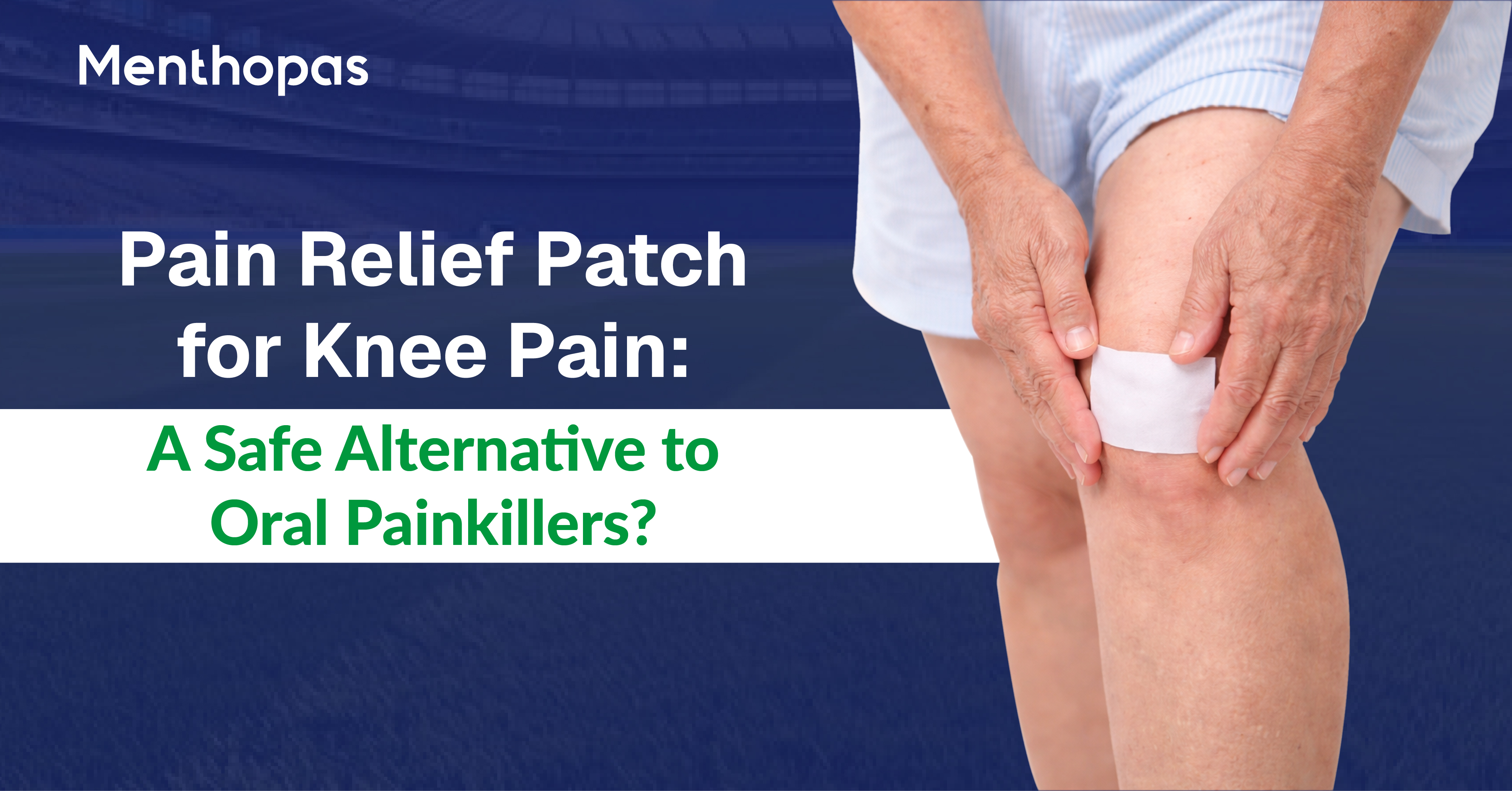
Pain Relief Patch for Knee Pain: A Safe Alternative to Oral Painkillers?
Knee pain affects millions of people, from active adults to older individuals dealing with joint stiffness or arthritis. While oral painkillers are often used for quick relief, many people now look for safer options such as a knee pain relief patch. A patch for joint pain works directly on the affected area and may help reduce discomfort without relying on tablets.
This article explores how topical pain patches work, when they may help with knee discomfort, and why they are increasingly used as a knee pain solution without tablets.
Why Knee Pain Is So Common
The knee joint carries most of the body’s weight, making it particularly vulnerable to stress and injury. Knee pain can affect people of all ages and often interferes with everyday activities like walking, climbing stairs, or standing for long periods.
Common causes include:
- Age-related joint wear
- Arthritis or joint inflammation
- Muscle strain around the knee
- Sports injuries
- Prolonged standing or physical work
Because of these factors, many individuals search for knee pain treatment at home that is convenient and easy to use.
What Is a Knee Pain Relief Patch?
A knee pain relief patch is a medicated adhesive patch applied directly over the painful area. The patch slowly releases soothing ingredients through the skin to help reduce discomfort in the muscles and joints.
Unlike oral painkillers, which circulate throughout the body, a patch for joint pain provides localised relief where it is needed most.
How a Patch for Joint Pain Works
A patch for joint pain works through topical delivery. Active ingredients penetrate the skin and act on the tissues around the knee joint.
Key Ways It May Help
- Provides targeted relief at the pain site
- Helps relax muscles around the knee
- Produces a cooling or soothing sensation
- Supports improved local circulation
Because the treatment is localised, many people prefer patches as a knee pain solution without tablets.
Benefits of Using a Knee Pain Relief Patch
1. Targeted Relief for Joint Pain
A patch for joint pain works directly on the affected knee area, helping soothe discomfort without affecting the entire body.
2. Convenient Knee Pain Treatment at Home
For individuals looking for knee pain treatment at home, patches provide a simple solution. They are easy to apply and do not require complicated dosing schedules.
3. Gentle Alternative to Tablets
Many people prefer a knee pain solution without tablets, especially if oral painkillers cause stomach irritation or are not suitable for frequent use.
4. Suitable for Older Adults
A pain patch for elderly individuals can be helpful because it is easy to use and does not involve swallowing medication.
5. Long-Lasting Comfort
Once applied, a patch can continue working for several hours, offering steady relief during daily activities.
Can a Topical Patch Help with Arthritis Knee Pain?
Many people living with arthritis look for supportive pain management options. A topical patch for arthritis knee may help ease discomfort by soothing the muscles and tissues around the joint.
While patches cannot cure arthritis, they can be a useful part of managing mild to moderate symptoms alongside exercise, weight management, and medical advice.
How to Use a Knee Pain Relief Patch Correctly
Step-by-Step Guide
- Clean and dry the knee area
- Remove the protective backing from the patch
- Place the patch directly over the painful joint
- Press gently so it adheres properly
- Leave it on for the recommended time
Avoid applying the patch on cuts, wounds, or irritated skin.
Pain Relief Patch vs Oral Painkillers for Knee Pain
| Feature | Knee Pain Relief Patch | Oral Painkillers |
|---|---|---|
| Application | External | Oral |
| Relief type | Localised | Whole body |
| Stomach impact | Minimal | Possible irritation |
| Convenience | Easy application | Requires dosing schedule |
| Suitable for elderly | Often suitable | May require caution |
When Should You Consider a Pain Patch for Knee Pain?
Using a pain patch for elderly individuals or adults with mild knee pain may be helpful in situations such as:
- Joint stiffness after long periods of standing
- Mild knee strain after activity
- Early symptoms of arthritis discomfort
- Occasional knee soreness from daily movement
In these cases, a knee pain solution without tablets can provide practical, topical relief.
Tips to Prevent Knee Pain
Helpful practices include:
- Maintaining a healthy body weight
- Strengthening leg muscles through exercise
- Avoiding sudden strain or overuse
- Wearing supportive footwear
- Stretching before physical activity
These steps can reduce stress on the knee joints and help prevent recurring discomfort.
FAQs About Knee Pain Relief Patches
Do knee pain relief patches really work?
A knee pain relief patch may help relieve mild to moderate discomfort by delivering soothing ingredients directly to the painful area.
Is a patch for joint pain safe for daily use?
A patch for joint pain can generally be used for short-term relief when applied according to product instructions.
Can elderly people use pain patches for knee pain?
Yes, a pain patch for elderly individuals can be convenient because it avoids swallowing medication.
Can patches help with arthritis knee pain?
A topical patch for arthritis knee may help reduce discomfort, although it does not treat the underlying condition.
Is a patch better than tablets for knee pain?
For localised knee pain, many people prefer a knee pain solution without tablets because patches act directly at the pain site.
Conclusion
Knee pain can affect daily mobility and overall comfort, especially as we age. While oral painkillers are commonly used, a knee pain relief patch offers a practical topical alternative for managing mild to moderate discomfort.
For those seeking knee pain treatment at home or a knee pain solution without tablets, a patch for joint pain may provide convenient, targeted support as part of a broader pain management routine.