18 Jul, 2026
Why Office Workers Are Using Pain Relief Patches for Daily Muscle Stiffness
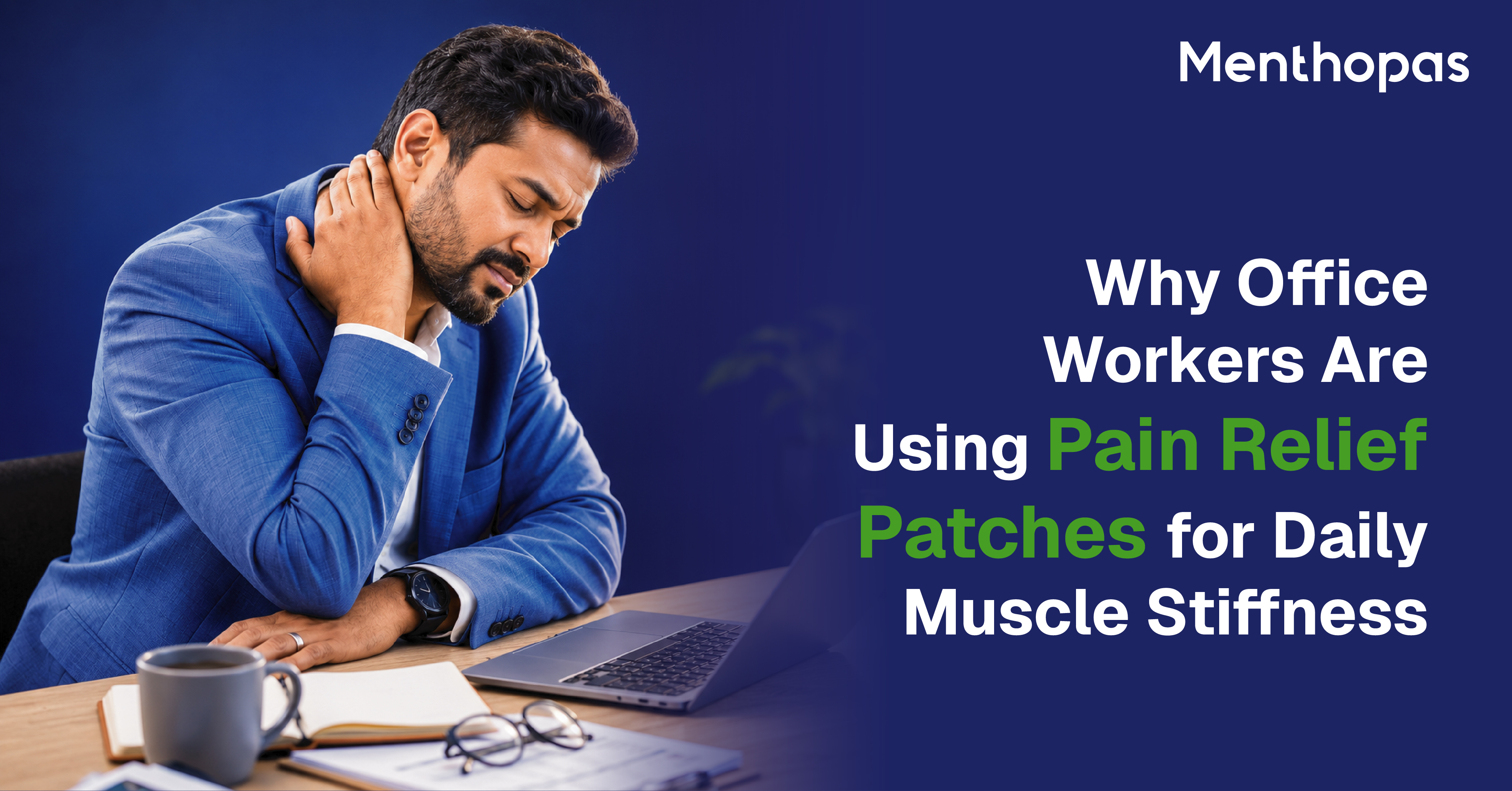
Modern office life often involves long hours at desks, limited movement, and continuous screen use. As a result, many professionals experience muscle tightness, neck discomfort, and shoulder strain during or after work. A pain relief patch for office workers has become a practical option for people looking for convenient muscle stiffness relief without interrupting their daily routine.
Pain relief patches are increasingly used to support temporary relief from work from home body pain, shoulder tension, and patch for pain caused by prolonged sitting or poor posture. This article explains why office workers are turning to these patches, how they work, safety considerations, and what users should know before using them.
Understanding Daily Muscle Stiffness in Office Workers
Muscle stiffness is a common issue among office-based professionals. Sitting for extended periods can place strain on the neck, shoulders, upper back, and lower back muscles.
What Causes Muscle Stiffness at Work?
Several workplace habits contribute to muscular discomfort, including:
- Poor posture while sitting
- Long hours at a computer
- Limited physical movement
- Inadequate workstation ergonomics
- Repetitive movements such as typing
- Stress-related muscle tension
Work from home environments may further increase discomfort when chairs, desks, or screens are not ergonomically adjusted.
Common Symptoms Office Workers Experience
Office workers commonly report:
- Neck tightness and reduced movement
- Shoulder stiffness relief needs after long workdays
- Upper and lower back discomfort
- Mild muscle aches
- Tension headaches linked to posture
- General fatigue around the shoulders and spine
For many individuals, symptoms gradually build throughout the day and may worsen after prolonged sitting.
Why Pain Relief Patches Are Becoming Popular
Pain relief patches are designed to be applied directly to the affected area. They provide targeted support for temporary muscular discomfort and stiffness.
Quick Answer: Why Are Office Workers Using Pain Relief Patches?
Many office workers use pain relief patches because they are convenient, portable, and easy to apply during work hours. These patches may support temporary muscle stiffness relief in the neck, shoulders, and back without requiring creams, massage devices, or oral medication.
Benefits That Appeal to Desk Workers
Office professionals often choose patches because they:
- Can be worn discreetly under clothing
- Allow continued movement during work
- Are easy to apply at home or in the office
- Provide localised comfort to targeted areas
- Require minimal disruption to daily tasks
People experiencing patch for pain caused by prolonged sitting may find patches particularly useful during long meetings, commutes, or extended computer sessions.
Treatment Overview for Work-Related Muscle Stiffness
Muscle stiffness management usually involves a combination of lifestyle adjustments and supportive therapies.
Common Approaches for Muscle Stiffness Relief
General approaches may include:
- Regular stretching exercises
- Improved posture and ergonomic support
- Frequent movement breaks
- Physiotherapy
- Heat or cold therapy
- Gentle physical activity
- Topical support products such as patches or gels
Pain relief patches are often used as part of a broader self-care approach rather than as a standalone solution.
When Neck and Shoulder Discomfort Should Be Assessed
Occasional stiffness is common. However, persistent or worsening symptoms should be assessed by a healthcare professional, especially if accompanied by:
- Numbness or tingling
- Severe pain
- Weakness in the arms or shoulders
- Reduced mobility
- Symptoms lasting several weeks
Early assessment may help identify posture-related strain, repetitive stress injuries, or other musculoskeletal concerns.
How Pain Relief Patches Work
Pain relief patches generally work through topical delivery. Ingredients within the patch interact with the skin surface to create sensations that may help ease temporary discomfort.
High-Level Mechanism of Action
Many patches contain ingredients associated with cooling or warming sensations. These sensations may help distract from muscular discomfort and support relaxation of tense areas.
Some commonly used topical ingredients include:
- Menthol
- Methyl salicylate
- Camphor
- Capsaicin
These ingredients are widely used in topical muscle comfort products intended for temporary relief of minor aches and stiffness.
Why Targeted Application Matters
Unlike oral products, patches are applied directly to the area of concern. This targeted approach is often preferred by office workers managing localised neck stiffness treatment or shoulder tension after desk-based work.
Patches may also provide a hands-free option compared with creams or gels.
Common User Questions About Pain Relief Patches
Can Pain Relief Patches Help Work From Home Body Pain?
Work from home body pain is often linked to prolonged sitting and non-ergonomic workspaces. Pain relief patches may provide temporary comfort for muscular tension associated with desk work, especially in the neck, shoulders, and lower back.
Are Patches Suitable for Daily Office Use?
Many people use patches during working hours because they are discreet and portable. However, usage instructions vary between products, so users should always follow label directions carefully.
Do Patches Replace Exercise or Posture Changes?
No. Patches may support temporary symptom relief, but they do not address underlying posture habits, workstation ergonomics, or physical inactivity. Regular movement and stretching remain important for long-term muscle health.
How Long Can a Patch Be Worn?
Wear time depends on the specific product formulation and manufacturer instructions. Some patches are designed for several hours of use, while others may differ. Always read the product label before application.
Safety and Usage Overview
Pain relief patches are generally intended for external use only.
Important Safety Considerations
Users should:
- Apply patches only to clean, dry skin
- Avoid broken or irritated skin
- Wash hands after application
- Stop use if irritation occurs
- Keep products away from children
- Consult a healthcare professional if pregnant, breastfeeding, or managing medical conditions
People with sensitive skin should test cautiously, as some ingredients may cause irritation.
When to Seek Medical Advice
Medical advice is recommended if:
- Pain becomes severe
- Symptoms continue despite self-care
- Mobility becomes restricted
- Pain follows injury or trauma
- Neurological symptoms develop
Pain relief products are not intended to diagnose or cure medical conditions.
FAQ’s
What is a pain relief patch for office workers?
A pain relief patch for office workers is a topical patch designed to provide temporary comfort for muscle stiffness and tension commonly associated with desk work, prolonged sitting, or repetitive movements.
Can patches support neck stiffness treatment?
Some topical patches are used to support temporary neck stiffness treatment by targeting localised muscular discomfort and tension around the neck and shoulder area.
Are pain relief patches useful for shoulder stiffness relief?
Many people use patches for shoulder stiffness relief after long periods of computer work, driving, or poor posture. They are commonly applied directly to tense shoulder muscles.
Can sitting too long cause muscle pain?
Yes. Prolonged sitting may contribute to muscular tightness, poor circulation, and posture-related discomfort, particularly in the neck, shoulders, and lower back.
Are topical pain relief patches safe?
Most topical patches are designed for external use and are generally well tolerated when used as directed. However, some people may experience skin irritation or sensitivity.
Do pain relief patches cure muscle stiffness?
Pain relief patches are intended for temporary symptom support. They do not cure underlying causes such as posture issues, repetitive strain, or medical conditions.
Key Takeaways
- Office workers frequently experience muscle stiffness due to prolonged sitting and poor posture
- Pain relief patches offer a convenient, targeted option for temporary discomfort support
- Common areas affected include the neck, shoulders, and lower back
- Patches are often used alongside stretching, ergonomic adjustments, and movement breaks
- Users should follow product instructions and seek medical advice for persistent symptoms
Conclusion
Daily desk work, prolonged sitting, and poor posture can contribute to ongoing muscle tension in the neck, shoulders, and back. As a result, many professionals are looking for simple and convenient ways to support muscle stiffness relief during busy workdays.
Using a pain relief patch for office workers may help provide temporary comfort for work from home body pain, shoulder tightness, and patch for pain caused by prolonged sitting associated with long hours at a desk. Products such as Menthopas Pain Relief Patches are designed to offer targeted topical support that can be easily incorporated into daily routines at home, during travel, or in the office.
While topical patches may help support temporary relief, maintaining healthy posture, regular stretching, and ergonomic workspace habits remains important for long-term musculoskeletal wellbeing.